
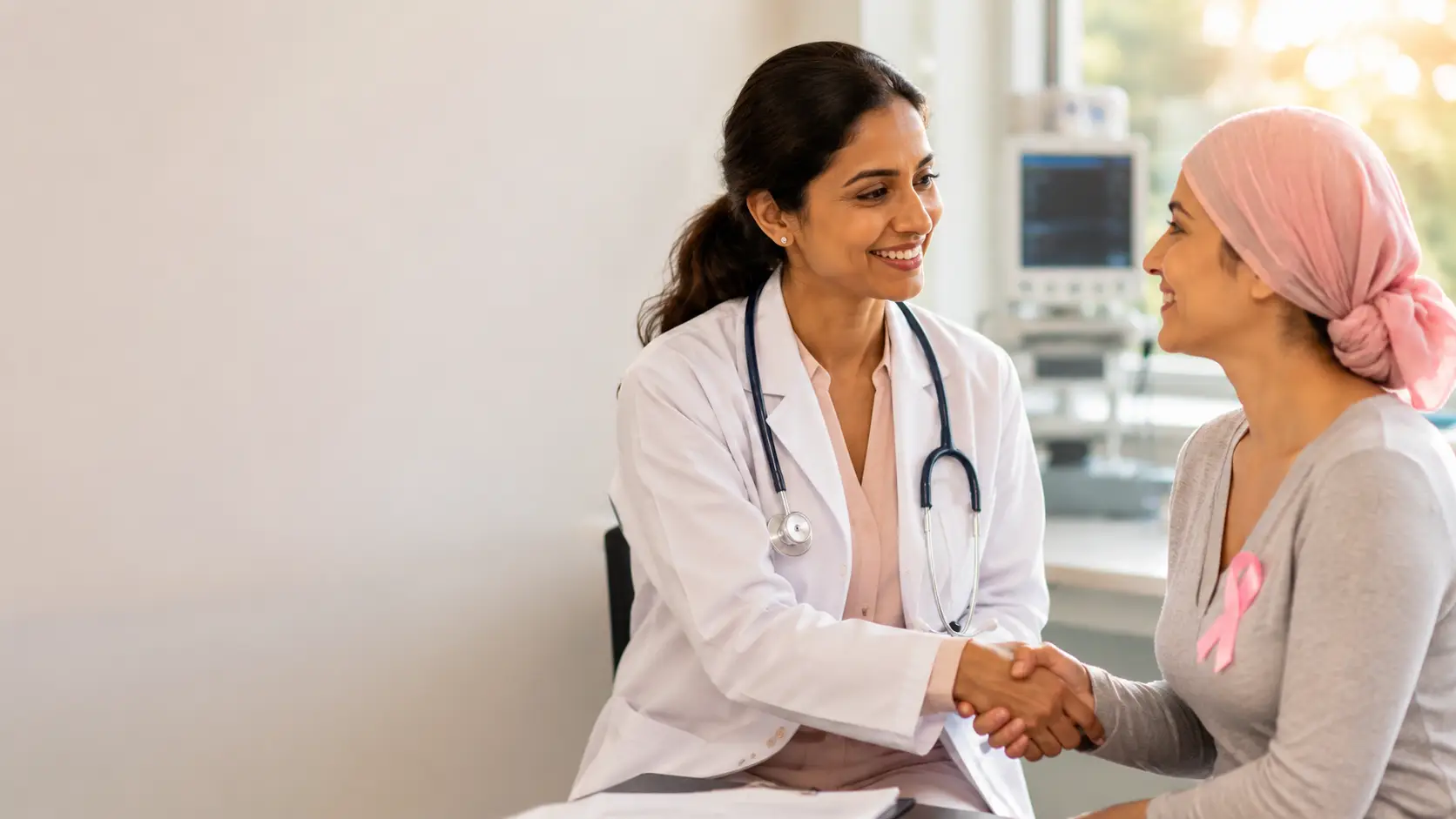
Hearing the words “you have breast cancer” is one of the most stop-you-in-your-tracks moments a person can experience. The rush of emotions is overwhelming, and before you even have time to process the news, you are faced with a monumental task: deciding where to get treated.
If you or a loved one is navigating this path, take a deep breath. You are not alone, and you are living in an era where breast cancer care is more advanced, personalized, and effective than ever before.
Choosing the right hospital isn’t just about picking a name out of a hat; it is about finding a specialized team that understands the unique biology of your specific tumor, respects your personal wishes, and offers the absolute latest in groundbreaking therapies. Based on the latest 2025-2026 U.S. News & World Report rankings, patient outcomes, and clinical trial access, we have put together a comprehensive guide to the top hospitals in the United States for breast cancer treatment.
Why Specialized Cancer Centers Matter
Before diving into the specific hospitals, it helps to understand what sets a top-tier cancer center apart from a standard community hospital.
The best facilities are typically designated as Comprehensive Cancer Centers by the National Cancer Institute (NCI). This label means the hospital does more than just treat patients—they are actively running clinical trials, pioneering new surgical techniques, and conducting intense laboratory research.
When you go to an NCI-designated center, you don’t just get a single oncologist. You get a multidisciplinary tumor board. This is a collaborative group of medical oncologists, radiation oncologists, surgical oncologists, pathologists, and genetic counselors who sit in a room together to debate and design a customized treatment plan specifically for you.
Here are the hospitals leading the charge in breast cancer care today.
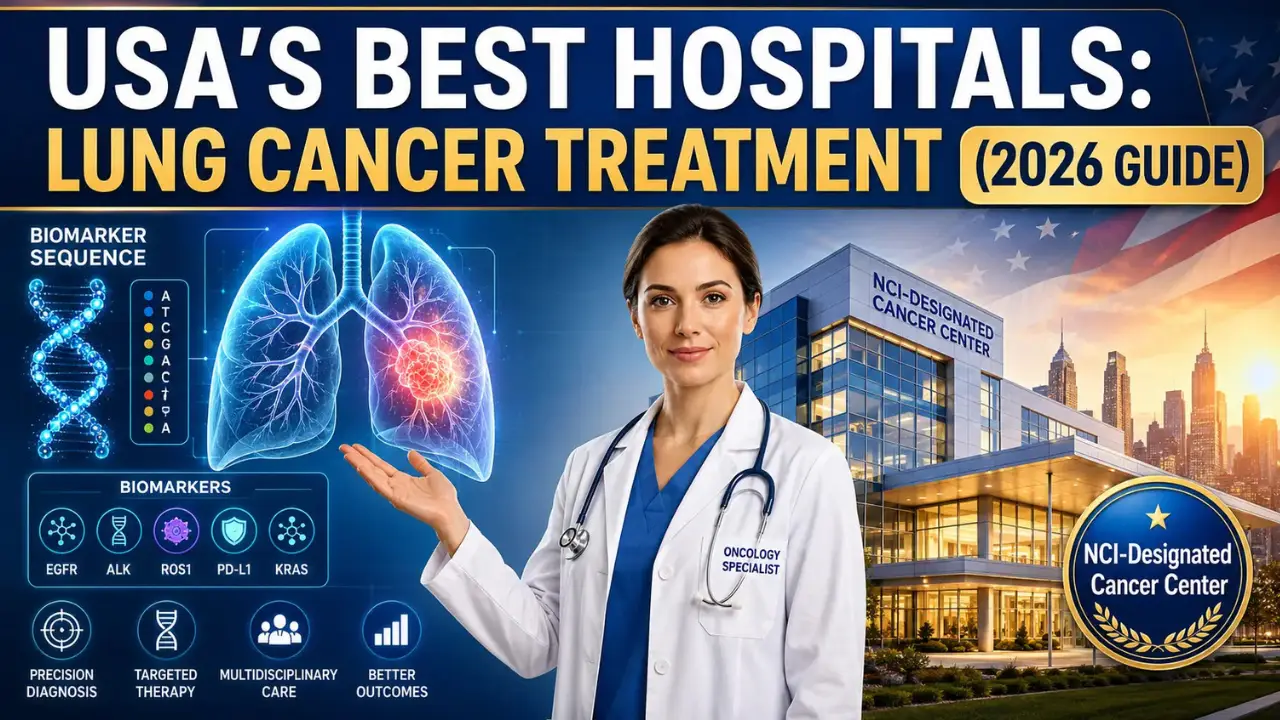
1. The University of Texas MD Anderson Cancer Center (Houston, Texas)
Year after year, MD Anderson consistently holds the number one spot for cancer care in the United States, and their breast cancer program is a massive reason why.
What makes MD Anderson truly special is their sheer volume. Because they treat more rare and complex cancers in a single week than many regional hospitals see in a decade, their doctors have unparalleled experience. Their Nellie B. Connally Breast Center is one of the largest and most advanced in the world.
They also run highly specialized sub-clinics that you won’t find almost anywhere else. For example, if a patient is diagnosed with Inflammatory Breast Cancer (IBC)—a rare and aggressive form of the disease—MD Anderson has a dedicated Morgan Welch Inflammatory Breast Cancer Research Program and Clinic. Their ability to match patients with cutting-edge clinical trials, including novel targeted therapies and immunotherapies, makes them a beacon of hope for patients facing advanced or complex diagnoses.
2. Memorial Sloan Kettering Cancer Center (New York, New York)
Located in the heart of Manhattan, Memorial Sloan Kettering (MSK) is a legendary powerhouse in the oncology world, ranking firmly at number two nationally. Their Evelyn H. Lauder Breast Center is globally recognized for offering a highly integrated, patient-first experience.
MSK is famous for pushing the boundaries of surgical innovation. Their surgeons are pioneers in breast-conserving surgeries and advanced reconstruction techniques that prioritize not just survival, but the patient’s long-term quality of life and physical comfort. They are also leaders in lymphedema prevention, utilizing specialized lymph node mapping and microsurgery to drastically reduce the risk of this common post-surgical complication.
Furthermore, MSK heavily integrates genetic profiling into their standard of care. By sequencing the DNA of your specific tumor, they can often identify targeted oral medications that attack the cancer cells directly while sparing healthy tissue, often minimizing the need for traditional, harsh chemotherapy.
3. Dana-Farber Brigham Cancer Center (Boston, Massachusetts)
When you combine the research brilliance of the Dana-Farber Cancer Institute with the surgical excellence of Brigham and Women’s Hospital, you get a world-class care team. Ranked third in the nation for cancer care, Dana-Farber is a beacon of innovation in New England.
Dana-Farber is particularly well-known for its Susan F. Smith Center for Women’s Cancers. This center has a unique, dedicated program specifically for young women with breast cancer, addressing the specific hurdles they face, such as fertility preservation, early menopause management, and the distinct emotional toll of a diagnosis at a young age.
They are also front-runners in dealing with hereditary breast cancers. For families carrying BRCA1, BRCA2, or other genetic mutations, Dana-Farber offers specialized risk-reduction strategies and targeted treatments (like PARP inhibitors) that are specifically engineered to fight genetically driven tumors.
4. Mayo Clinic (Rochester, Minnesota)
The Mayo Clinic operates on a philosophy that is deeply comforting to patients: “The needs of the patient come first.” Ranking fourth nationally, this midwestern medical giant provides an experience unlike any other.
If you travel to the Mayo Clinic, you will experience an incredibly efficient and collaborative medical model. Instead of waiting weeks between seeing a surgeon, getting a scan, and consulting with a medical oncologist, Mayo coordinates these appointments over a few days. You get answers fast, which drastically reduces the agonizing waiting period that comes with a cancer diagnosis.
Their Breast Clinic evaluates thousands of women every year, utilizing state-of-the-art diagnostic imaging. Mayo is also deeply invested in cutting-edge radiation therapy, including proton beam therapy, which delivers high doses of radiation exactly to the tumor bed while sparing the heart and lungs—a critical advantage for breast cancer patients.
5. Massachusetts General Hospital (Boston, Massachusetts)
Rounding out the top five in the latest 2025-2026 rankings is Mass General, which has made incredible strides through its unified Mass General Brigham Cancer Institute.
Their breast cancer team is lauded for a highly holistic approach to patient care. They understand that surviving cancer is only part of the equation; thriving afterward is just as important. Alongside world-class surgeons and oncologists, patients have access to integrative therapies, psychiatric oncology, nutritionists, and robust survivorship programs that help patients transition back into their daily lives after active treatment ends.
How to Choose the Right Hospital for You
Seeing a list of prestigious hospitals is helpful, but it can also feel intimidating. How do you actually make the choice? Here are a few practical things to consider:
- Insurance and Out-of-Pocket Costs: Cancer treatment is incredibly expensive. Your first step should always be checking which specialized centers are in-network for your health insurance plan. Many top centers have financial navigators who can help you understand your coverage before you commit.
- The Power of a Second Opinion: You do not have to receive all your treatment at a major hub. Many patients travel to a place like MD Anderson or MSK for a second opinion and to have a master treatment plan drawn up. They then take that plan back to their local oncologist who administers the chemotherapy or radiation closer to home. Top doctors fully expect and encourage second opinions.
- Travel and Logistics: Healing requires rest. If traveling across the country for weekly treatments is going to cause immense stress, financial strain, and exhaustion, a closer regional comprehensive cancer center might be the better choice. Look into support networks—many large hospitals partner with organizations like the American Cancer Society to provide free or discounted lodging (like the Hope Lodge) for out-of-town patients.
- Personal Comfort and Trust: Pay attention to how the medical team makes you feel. Do they listen to your concerns? Do they explain things in a way you understand? Your relationship with your oncology team will likely last for years. Trust your gut; you need to feel safe and heard.
A Final Thought
A breast cancer diagnosis shifts the ground beneath your feet, but the medical community has never been better equipped to help you find your footing again. Whether you seek care at a world-renowned institution in Houston or New York, or at a phenomenal regional cancer center closer to home, the focus is entirely on getting you healthy.
Take the time to do your research, ask the hard questions, lean on your support system, and remember that you are the most important person on your medical team.You have options, you have access to incredible science, and most importantly, you have hope.