
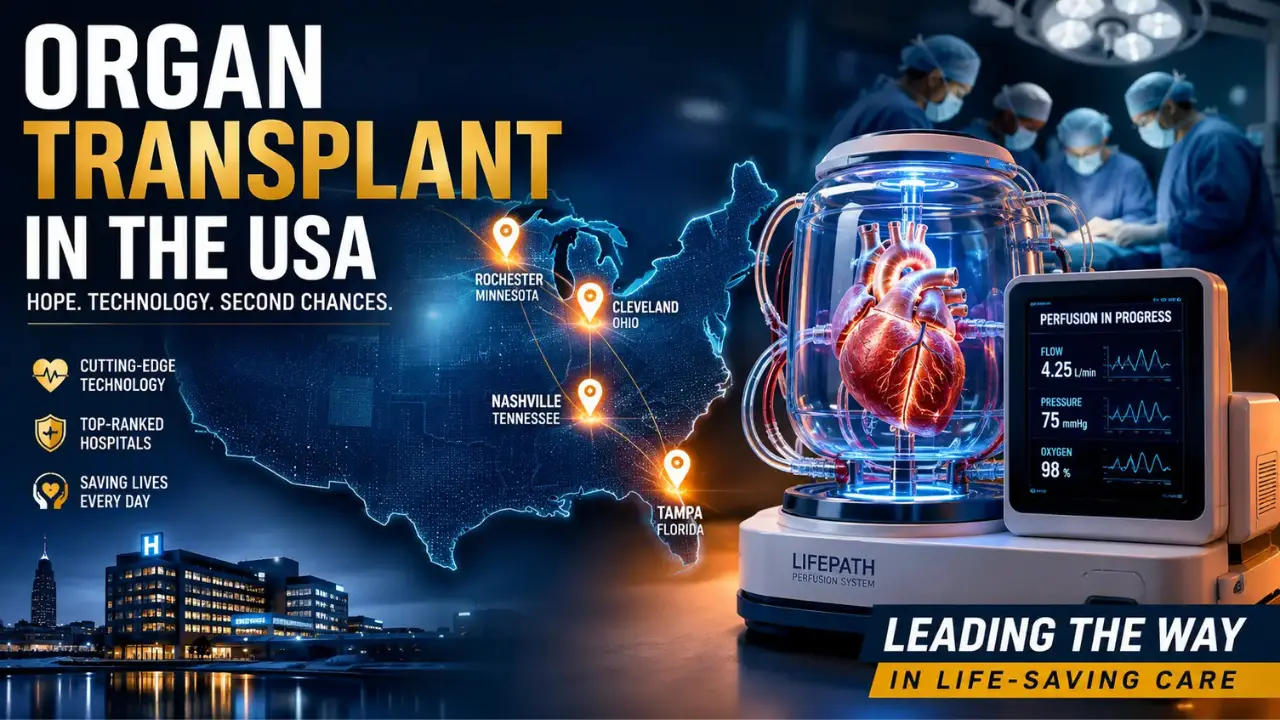
When organ failure becomes a reality, the path forward can feel overwhelming. Finding the right hospital isn’t just a matter of logistics; it’s a deeply personal decision that directly impacts survival rates, post-operative care, and overall quality of life. The United States is home to some of the most advanced medical institutions in the world, with centers consistently breaking records for transplant volumes and pioneering technologies that keep donor organs viable for much longer.
If you or a loved one are navigating this complex journey, understanding where the most experienced specialists are located is the vital first step. Recent data from 2025 and 2026 highlights a few standout medical centers that are pushing the boundaries of what is possible in organ transplantation.
What Makes a Transplant Center Exceptional?
Before looking at specific hospitals, it helps to know how these centers are evaluated. The volume of procedures is a critical metric. Surgeons who perform a high number of complex operations week in and week out naturally develop a refined skill set, leading to lower complication rates and better graft survival.
Beyond surgical expertise, top-tier hospitals excel in comprehensive care. Organ transplantation is a lifelong commitment. The best facilities maintain large, multidisciplinary teams that include hepatologists, nephrologists, specialized transplant nurses, social workers, and dietitians. They also have robust research departments, granting patients access to the latest clinical trials involving immunosuppressive medications and cutting-edge organ preservation techniques.
The Leading Transplant Centers in the United States
Based on clinical outcomes, historical track records, and recent milestones, several institutions have established themselves as the elite tier for solid organ transplants.
Mayo Clinic
Operating across campuses in Minnesota, Arizona, and Florida, the Mayo Clinic remains an absolute titan in the field. In 2025 alone, their combined network performed a staggering 2,065 solid organ transplants. The Arizona campus specifically completed a record 917 procedures, while the Jacksonville branch recently surpassed its 10,000th all-time transplant.
What sets the Mayo Clinic apart is its integrated care model. Patients are rarely treated by just one specialist. Instead, a team collaborates to evaluate the patient from every possible medical angle before placing them on the waitlist. Their post-transplant survival rates consistently beat national averages, making them a primary destination for complex, multi-organ procedures.
Vanderbilt Transplant Center (VUMC)
Located in Nashville, Tennessee, Vanderbilt has experienced dramatic growth, recently claiming the title of the largest single transplant center by volume in the country. In 2025, they completed 960 solid organ transplants.
Vanderbilt’s heart and lung programs are particularly renowned. Their heart transplant team set world records for two consecutive years, performing 210 adult and pediatric heart transplants recently. The center is known for its aggressive use of novel technologies, allowing their recovery teams to retrieve organs from vast distances—organs that other, smaller centers might have to turn down. For patients facing dire cardiac or respiratory failure, Vanderbilt’s highly mobilized approach offers a beacon of hope.
Tampa General Hospital (TGH)
Florida has rapidly become one of the busiest states for transplants, and Tampa General Hospital is a massive part of that shift.TGH recently crossed the incredible milestone of 15,000 historical organ transplants.In 2025, they completed 895 procedures, heavily featuring kidney and liver transplants, while also maintaining robust heart and lung programs.
Partnered with the University of South Florida, TGH stands out for its high one-year survival rates and its forward-thinking infrastructure. They are actively expanding, with a massive new surgical and transplant tower slated for completion in 2028. For patients on the East Coast and in the Southeast, Tampa General offers elite academic-level care without the need to travel cross-country.
Cleveland Clinic
Famous globally for its cardiac care, the Cleveland Clinic is a powerhouse for organ transplantation, reporting over 1,400 transplants across its locations in a single year. Their expertise in heart transplantation is practically unmatched, but their proficiency extends to liver, kidney, and intestinal procedures as well. The clinic is highly sought after for living donor liver transplants, a highly complex surgery that requires extraordinary precision to ensure the safety of the healthy donor and the successful recovery of the recipient.
UCSF Health and UPMC
On the West Coast, the University of California, San Francisco (UCSF) Health continues to be a dominant force, having surpassed 20,000 transplants historically. They have pioneered several protocols in kidney and liver transplantation, particularly for patients with conditions like HIV or advanced hepatitis.
Similarly, the University of Pittsburgh Medical Center (UPMC) has a legendary history in the field. UPMC is widely considered the birthplace of modern organ transplantation, heavily driven by early breakthroughs in immunosuppression. They continue to run one of the largest and most experienced programs globally, offering second opinions and surgical options for patients who have been turned down elsewhere.
The Game Changer: Organ Perfusion Technology
One of the main reasons centers like Vanderbilt, Mayo, and Tampa General have seen huge spikes in successful transplants is the advancement of organ perfusion technology. Traditionally, when a donor organ was recovered, it was placed in a specialized cold preservation solution—essentially packed in a sterile cooler. This method puts a strict ticking clock on how far an organ can travel before it becomes non-viable.
Perfusion machines change everything. These devices pump warm, oxygenated blood and nutrients through the donor organ while it is in transit. A lung can actually breathe inside a protective dome; a heart can continue to beat. This technology not only extends the travel time—allowing a center in Florida to accept a perfect match from the Pacific Northwest—but it also allows surgeons to assess the organ’s function before implanting it. Patients receive healthier organs, which leads to faster recovery times and better long-term outcomes.
Preparing for the Journey Ahead
Getting on a transplant list at a top-tier hospital requires meticulous preparation. When you approach these centers, they will conduct a rigorous evaluation phase. This involves detailed medical testing to ensure your body is strong enough to survive the surgery, as well as psychological and financial evaluations.
Here are a few actionable steps for patients and their families:
- Seek Multiple Opinions: Don’t hesitate to reach out to more than one center. Different hospitals have different criteria for their waitlists. If one center declines your case, another might accept it based on their specific expertise.
- Understand Your Insurance: Organ transplants are incredibly expensive. Work closely with the financial coordinators at the hospital early in the process to understand what is covered, from the surgery itself to the vital anti-rejection medications required afterward.
- Build a Support System: Every major program requires patients to have a designated primary caregiver. The recovery process involves frequent follow-up visits, strict medication schedules, and a period where the patient cannot drive or perform heavy lifting.
Final Thoughts on Moving Forward
The landscape of organ transplantation is shifting rapidly, thanks to dedicated surgical teams and remarkable technological leaps. While the waitlist process can be daunting, knowing that facilities are consistently breaking records for the number of lives saved offers genuine optimism. Whether it’s the sheer scale of the Mayo Clinic, the cardiac milestones at Vanderbilt, or the rapid growth of Tampa General, patients today have access to a level of care that was unimaginable just a decade ago. Choosing the right center is the foundation of a successful recovery, setting the stage for the ultimate goal: returning to a full, vibrant life.